
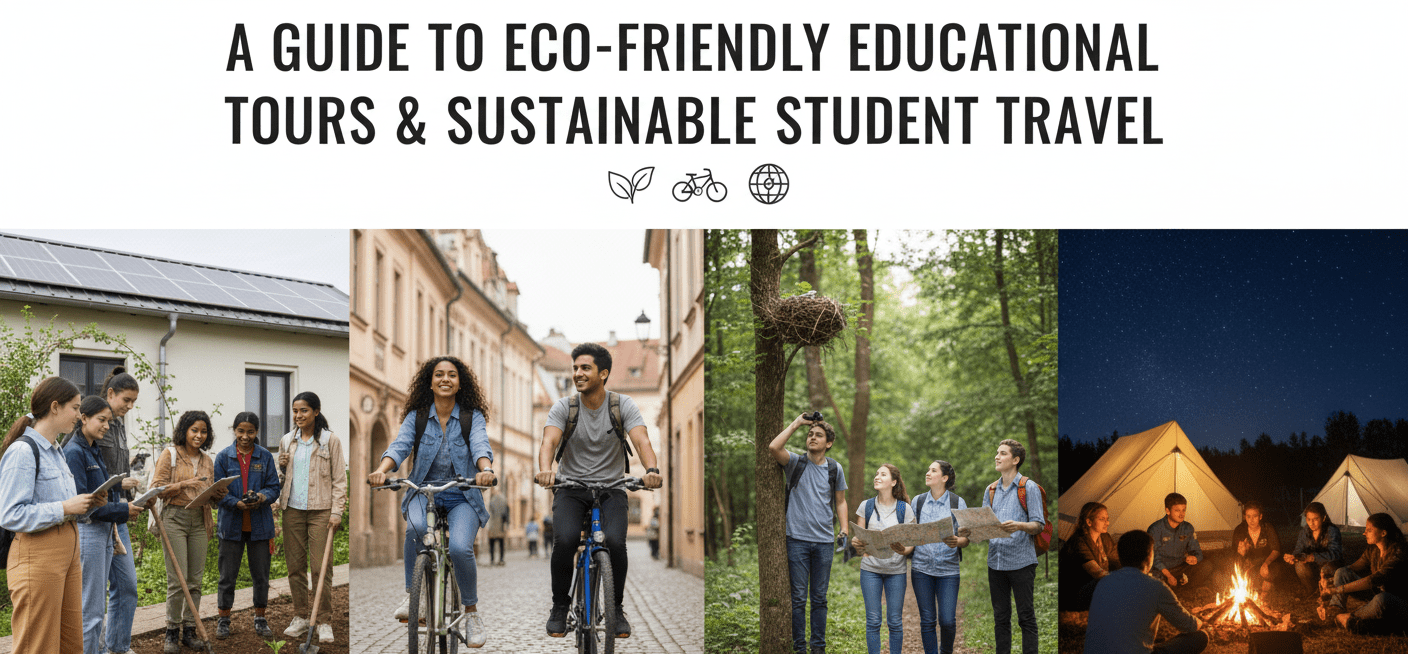
A Guide to Eco-friendly Educational Tours and Sustainable Student Travel
In an era of growing environmental consciousness, a new kind of educational tour is gaining traction: the eco-friendly educational tour. These journeys go beyond traditional sightseeing, offering students a chance to connect with nature, learn about biodiversity, and practice responsible tourism. For schools and parents looking to provide a meaningful travel experience, sustainable student travel is the way forward.
What is Sustainable Student Travel?
Sustainable student travel is a purposeful approach to tourism that minimizes environmental impact while maximizing benefits for local communities. It’s about making conscious choices, from the moment you plan the trip to your actions while at the destination. The core of this philosophy is to foster environmental awareness and teach students to be respectful, responsible global citizens.
Key Principles for an Eco-Friendly Tour
To ensure your trip is truly beneficial, consider these key principles.
- Choosing the Right Destination
Select destinations known for their conservation efforts and natural beauty. National parks, wildlife sanctuaries, and ecological hotspots are ideal. These places provide a living classroom for students to learn about ecosystems and flora and fauna in their natural habitats.
- Responsible Transportation
Transportation is a major contributor to a tour’s carbon footprint. Opt for eco-friendly alternatives whenever possible, such as trains over planes for shorter distances. Look for tour operators that prioritize modern, fuel-efficient buses and offer walking or cycling tours within the destination.
- Engaging in Local Communities
Sustainable travel is as much about people as it is about the planet. Choose tour providers who partner with local communities. This ensures that a portion of the tour’s revenue directly benefits the people who live there. Encourage students to buy local crafts, eat at local restaurants, and engage respectfully with residents.
- Reducing Waste
Every traveler can make a difference. Implement a “reduce, reuse, recycle” policy on your tour. Encourage students to carry reusable water bottles, minimize plastic use, and learn about waste management systems at the destination.
Eco-Conscious Tour Ideas
India offers a wealth of opportunities for eco-friendly educational tours. Here are a few examples to inspire your next trip:
- Biodiversity of the Western Ghats: Explore this UNESCO World Heritage Site to learn about its unique biodiversity and conservation efforts.
- The Sunderbans Mangrove Forest: Students can take a boat trip to learn about the fragile ecosystem and its role in protecting the coastline.
- Himalayan Eco-Tours: Students can participate in trekking and conservation activities while learning about sustainable living in mountain communities.
Final Thoughts
Organizing an eco-friendly educational tour is a powerful way to instill a sense of responsibility in young minds. By choosing a tour partner committed to sustainable practices, you can provide students with a meaningful journey that not only educates them about the world but also teaches them how to protect it for future generations. For assistance in planning your next sustainable student travel experience, contact Knowledge Navigators.
A Brand of Muse Moment Private limited. Explore | Experience | Learn
Regd Address
284, D – 09, Vyapaar Marg, Sector 3, Noida, Uttar Pradesh 201301
Useful Links
Contact Us:
Connect with us on
+91 926 606 9966
Email Address
connect@knowledgenavigators.in
Head office
2nd Floor, Block 2, 26-33, GLBCRI, Plot No 2, APJ Abdul Kalam Rd, Knowledge Park III, Greater Noida, Uttar Pradesh 201306
Copyright 2025 Knowledge Navigators All Rights Reserved