Organizing an educational tour is not just about travel; it’s about providing a hands-on learning experience. With the introduction of the National Education Policy (NEP) 2020, the role of educational tours has fundamentally changed. The policy emphasizes holistic, integrated, and experiential learning, moving away from rote memorization and rigid curricula. This shift has transformed school trips from mere excursions into powerful, curriculum-aligned educational tools.
NEP 2020’s Impact on Educational Tours
The NEP 2020 is designed to make education more engaging and relevant to the real world. This directly influences the purpose and design of school tours in the following ways:
- Emphasis on Experiential Learning
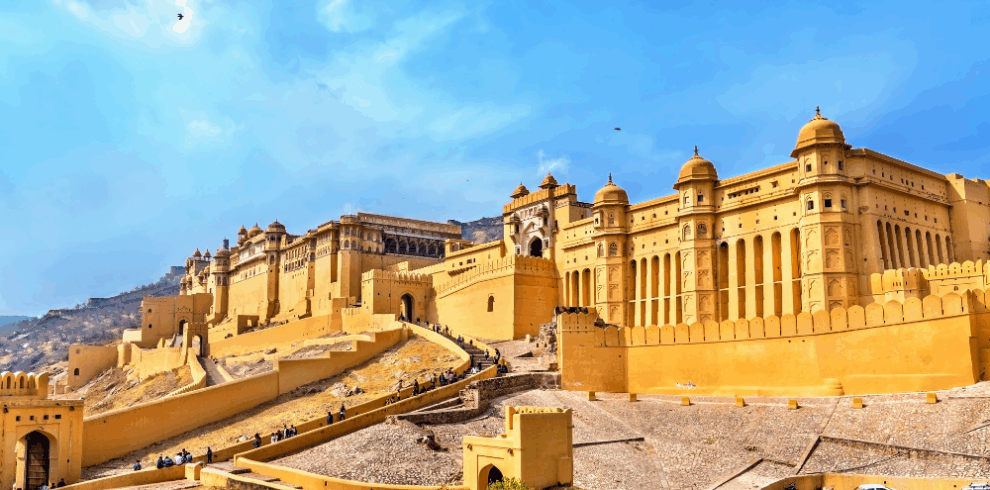
The policy’s core principle is to adopt experiential learning as a standard pedagogy. Educational tours directly support this by allowing students to apply theoretical knowledge to real-world scenarios. For example, a visit to a historical site is no longer just a sightseeing trip; it’s a chance to immerse in the past and understand its context firsthand.
- Multidisciplinary & Holistic Education
NEP 2020 promotes multidisciplinary learning, encouraging students to see the connections between different subjects. A tour to a natural reserve can teach not only biology but also geography, environmental science, and even social studies as students learn about local communities and conservation efforts.
- Focus on Skills Over Rote Learning
The policy moves away from memorization and focuses on developing critical thinking, problem-solving, and communication skills. Well-planned educational tours require students to observe, analyze, and present their findings through projects or journals. This a crucial part of the learning process that extends beyond the trip itself.
The Future of Educational Tours
In the new landscape shaped by NEP 2020, educational tours are no longer optional. They are a necessary component of a well-rounded education.
- Customized, Curriculum-Based Itineraries: Tours must be tailored to meet specific academic objectives, whether it’s a STEM tour to a research institute or a cultural immersion trip to a heritage site.
- Structured Learning Outcomes: The future of school travel will require clear learning outcomes and post-trip activities (like projects and presentations) that prove the educational value of the tour.
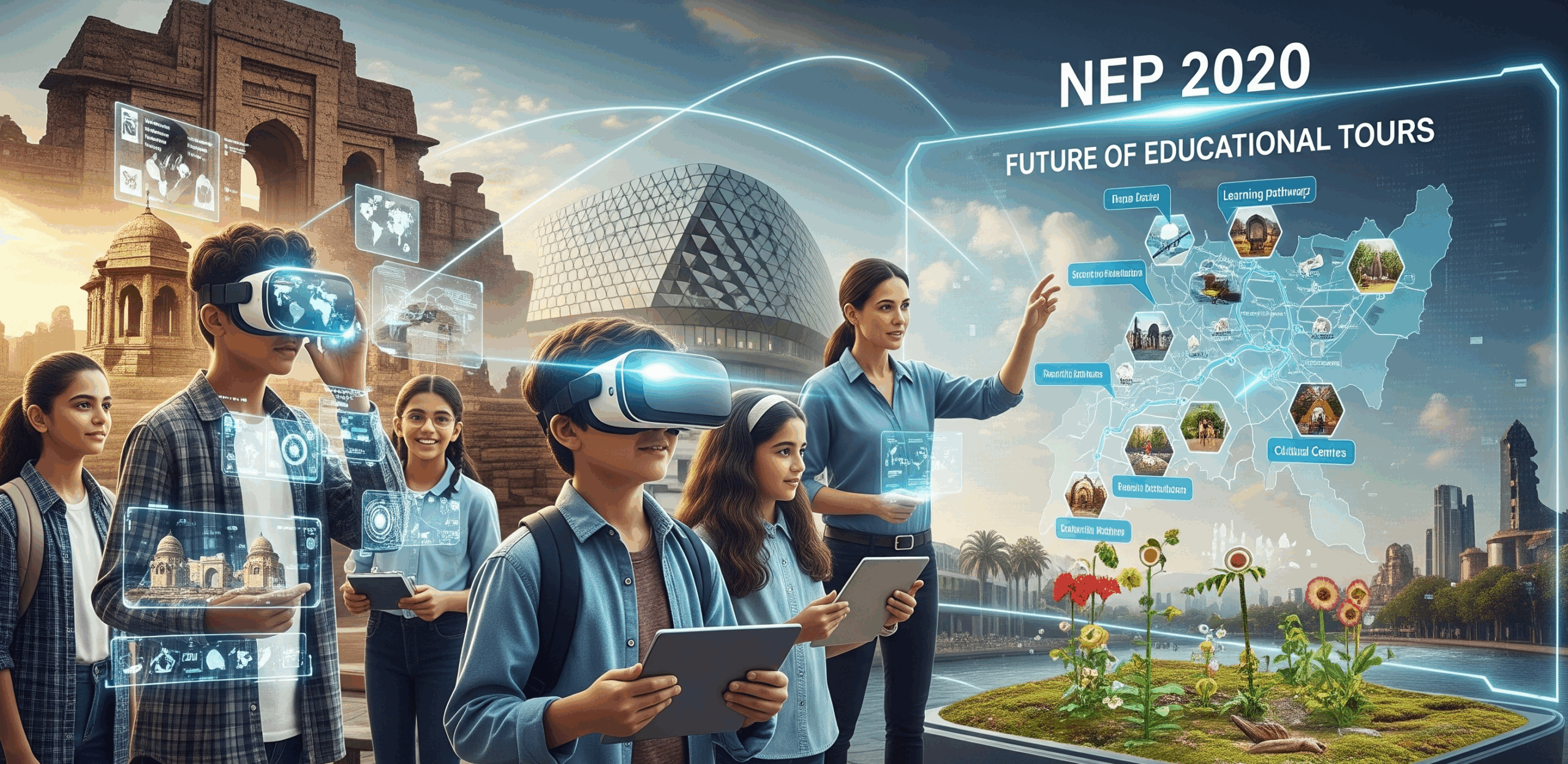
- Integration of Technology: Tours will increasingly integrate technology, such as virtual reality (VR) previews and digital journaling apps, to enhance the learning experience.
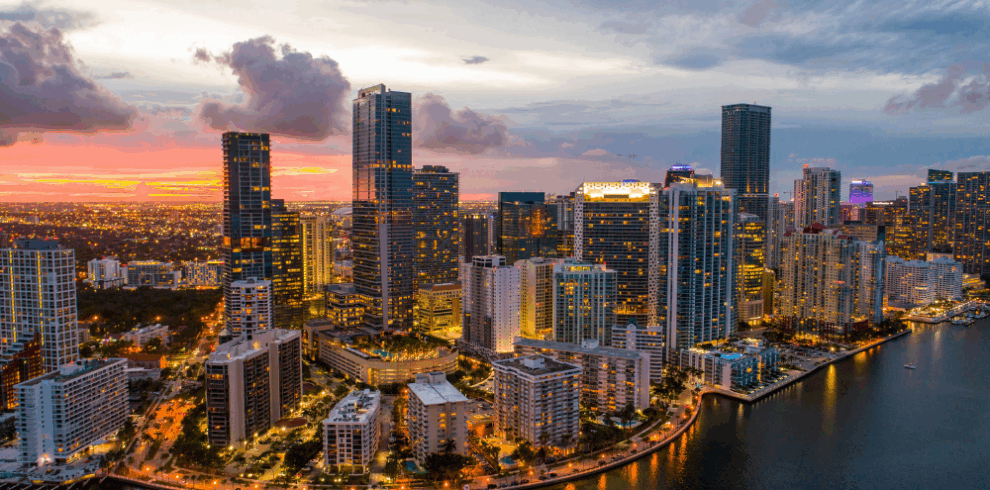
- Global Exposure: The policy also promotes internationalization. Trips abroad will become more common, offering Indian students the opportunity to learn from international experts and global cultures, preparing them to be global citizens.
By embracing these changes, educational tour companies like Knowledge Navigators can provide transformative experiences that are not only exciting for students but also fully compliant with the goals of NEP 2020.