The National Education Policy (NEP) 2020 is more than just a policy; it’s a blueprint for the future of education in India. At its core, the NEP seeks to transform the traditional, rote-learning-based system into one that is holistic, integrated, and experiential. In this new educational landscape, the familiar school field trip is being reinvented as a powerful tool for learning. This guide will explore how the NEP 2020 is fundamentally changing the purpose and design of school tours, making them an essential component of a modern education.
Understanding the Paradigm Shift: From Excursions to Educational Tours
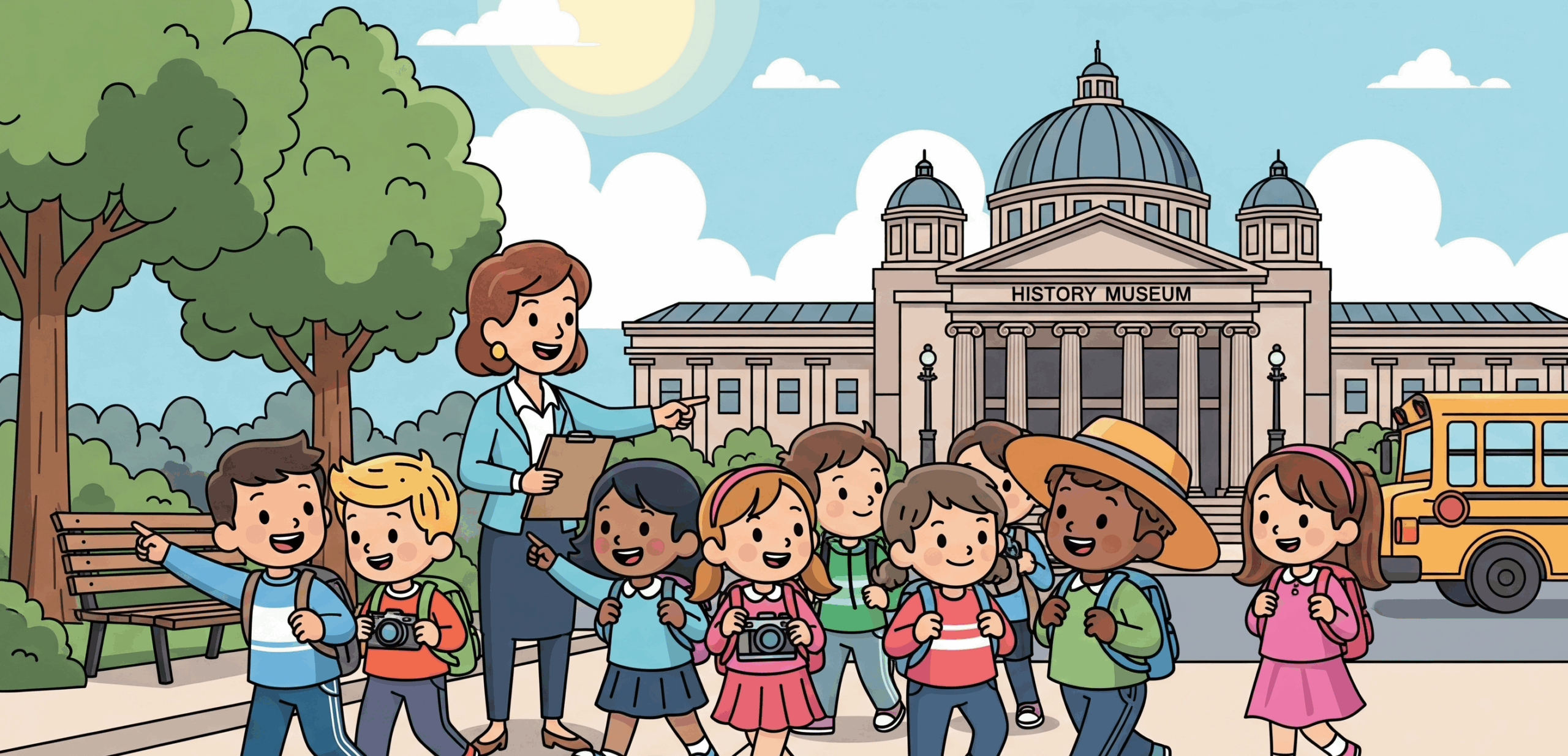
For decades, field trips were often seen as a fun day out—a break from the monotony of classroom lectures. They were a bonus, not a core part of the curriculum. The NEP 2020 has changed this perception entirely. The policy emphasizes that experiential learning should be adopted as a standard teaching method across all subjects. This means that learning outside the classroom is now a necessity, not a luxury.
A “field trip” is now evolving into a purposeful educational tour with clearly defined learning outcomes. It is a structured journey designed to complement the curriculum, encourage inquiry, and connect theoretical knowledge to real-world applications. This shift makes it imperative for schools to choose tours that are not only engaging but also strategically aligned with their academic goals.
How NEP 2020 is Transforming the Way We Learn
The principles of the NEP 2020 are directly influencing how modern educational tours are planned and executed.
- Embracing Hands-On, Practical Learning
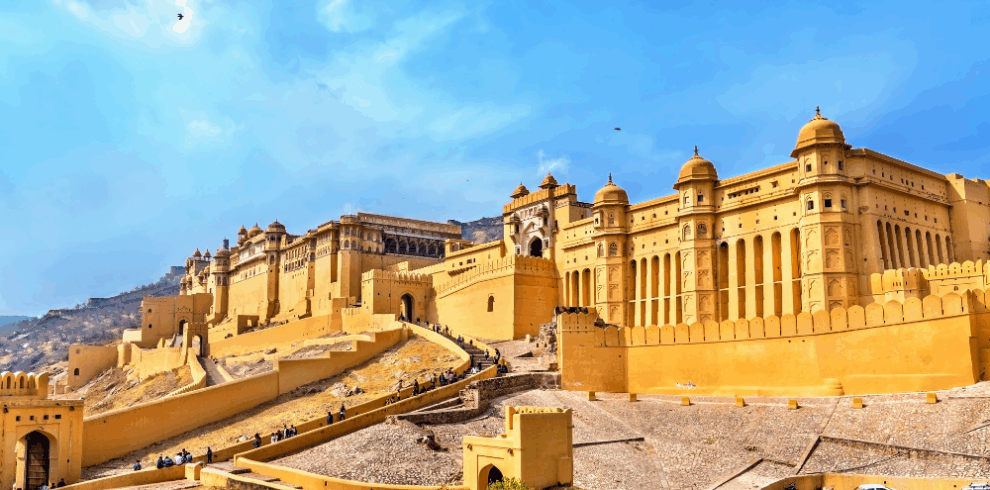
The NEP’s push for hands-on experience is arguably its biggest impact on school tours. Instead of simply viewing exhibits from a distance, students are now encouraged to participate in interactive workshops, engage in projects, and conduct small-scale research. For example, a visit to a historical site can be combined with a workshop on archaeology, allowing students to participate in a mock excavation. Similarly, a science tour to a research institute can involve a session with a real scientist, making the subject tangible and inspiring.
- Fostering Multidisciplinary Connections
The NEP 2020 champions a flexible, multidisciplinary curriculum that breaks down rigid subject boundaries. A well-designed school educational tour is the perfect vehicle for this. A single trip can explore the connections between multiple subjects. A tour to the Taj Mahal in Agra, for example, is not just a history lesson; it’s a study in mathematics (geometry and symmetry), art (Mughal architecture), and social studies (the history and culture of the era).
- Developing Essential 21st-Century Skills
Beyond academic knowledge, the NEP 2020 places a strong emphasis on skills that prepare students for the future, such as critical thinking, problem-solving, collaboration, and communication. A learning with travel program naturally fosters these skills. Students must work together to navigate new environments, communicate effectively with local guides, and solve unexpected challenges, all while gaining a deeper understanding of the world.
The Role of Educational Tour Companies in the NEP Era
With the shift in focus, schools need partners who understand and can implement these new educational goals. This is where specialized educational tour companies become indispensable. A professional provider helps schools navigate the complexities of modern educational travel by:
- Designing Tailored Itineraries: A one-size-fits-all trip no longer works. Expert companies like Knowledge Navigators collaborate with schools to create customized, curriculum-based tours that align with specific learning objectives.
- Ensuring Safety and Compliance: The safety of students is the top priority. Reputable tour providers have stringent safety protocols, well-trained tour managers, and a network of support, giving parents and teachers peace of mind.
- Providing Logistical Expertise: From securing flights and visas to arranging accommodation and ground transport, a professional company handles all the logistics. This frees up teachers to focus on their students and the educational experience, rather than administrative details.
- Enhancing the Learning Experience: Tour companies have access to resources and relationships that a school might not, such as connections with local experts, exclusive access to venues, and unique hands-on learning opportunities.\
Conclusion: Embracing the Future of Educational Travel
The NEP 2020 marks a new chapter for education in India, where learning is not confined to the classroom but extends to the entire world. The future of field trips is bright, with every journey now serving as a purposeful step toward a more holistic, practical, and inspiring education. By choosing a partner dedicated to this new vision, schools can provide their students with transformative learning with travel programs that equip them with the knowledge and skills to thrive in an ever-changing world.