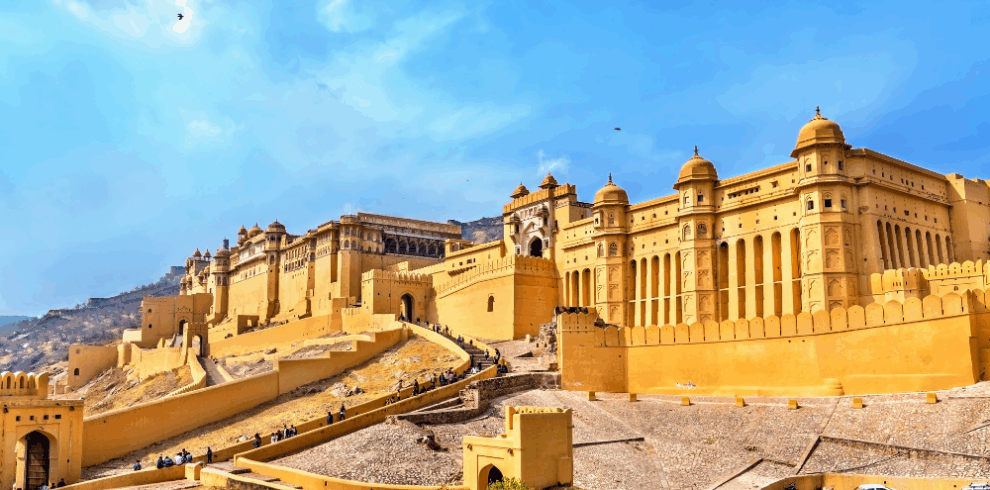
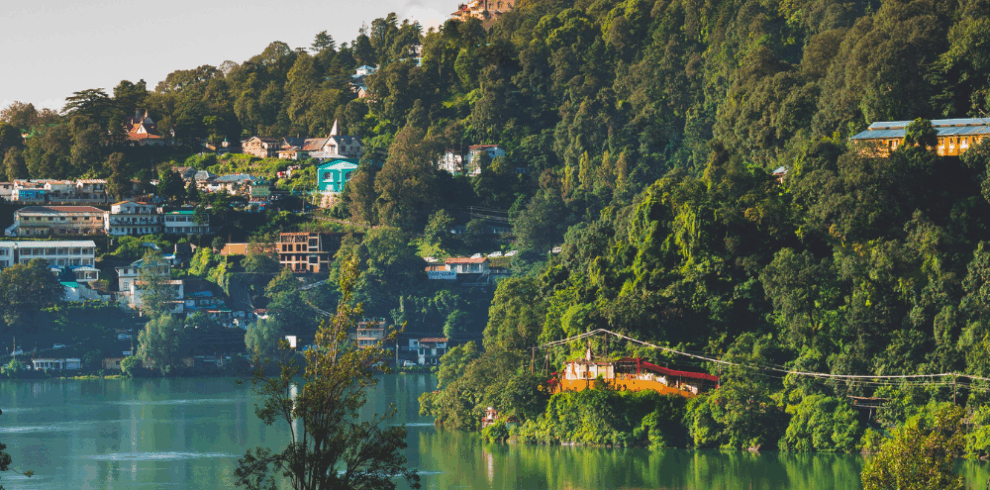
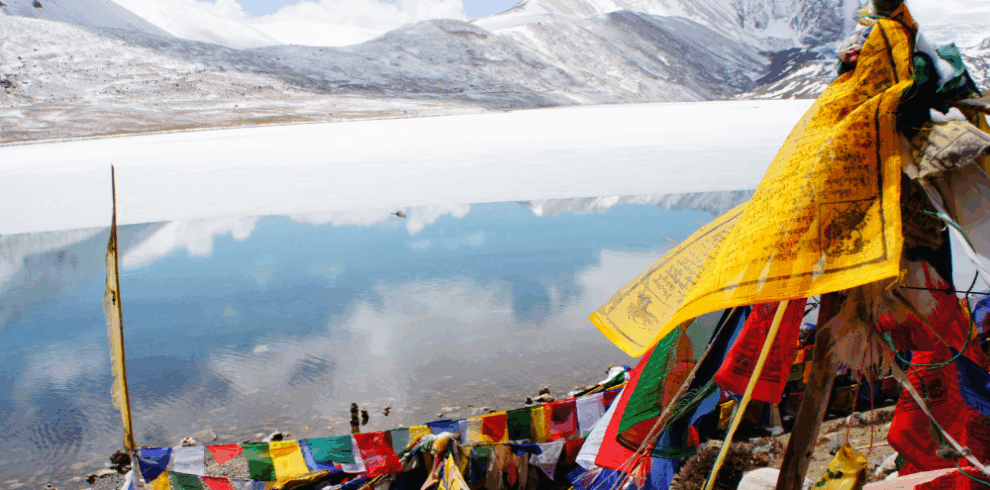
Classrooms are vital for academic learning, but real personal development often begins outside the textbook. School trips are one of the most impactful ways to nurture a student’s growth beyond academics. Whether it’s a heritage walk in Rajasthan, a science exploration at ISRO, a cultural exchange in Bhutan, or an adventure trek in Himachal, each journey is a stepping stone in a student’s personal development journey.
At Knowledge Navigators, we have seen first-hand how travel shapes students not just into better learners—but into more confident, empathetic, and self-aware individuals. Let’s explore the top benefits of school trips for personal development.
1. Boosting Self-Confidence
School trips often place students in unfamiliar settings, away from their comfort zones. This can be a powerful experience. Whether they’re navigating a local market, speaking with a museum guide, or performing in a group activity, these interactions require confidence.
Even simple actions—packing their bags, managing their schedules, or helping a fellow student—can foster independence. With every decision made and challenge overcome, students begin to trust themselves more. That trust is the foundation of self-confidence.
2. Developing Social Skills
A school trip means constant interaction—with peers, teachers, guides, and sometimes even locals. In this setting, students learn valuable communication skills: listening, expressing opinions respectfully, resolving conflicts, and offering help. These lessons are hard to teach within the walls of a classroom.
Travel also encourages inclusivity. Students often find themselves partnering with classmates they don’t usually talk to at school. Through shared experiences, new friendships bloom, and students learn to appreciate diverse perspectives.
3. Encouraging Teamwork and Cooperation
From planning tasks to completing challenges, school trips thrive on collaboration. Activities like group treasure hunts, campsite setups, or cultural performances require students to cooperate and delegate responsibilities.
Teamwork doesn’t come naturally to all. Some students are shy, others prefer to lead. School trips provide a safe space for every student to find their role in a group, understand team dynamics, and learn how to contribute meaningfully.
4. Building Resilience and Adaptability
Travel is unpredictable—and that’s a good thing for growth. Delays, sudden weather changes, adjusting to a new place, or even sharing space with others—these experiences build resilience. Students learn to stay calm, think on their feet, and find alternative solutions.
Adaptability is one of the most valued life skills in today’s world. A student who learns how to adjust during a four-day school trip will find it easier to navigate bigger changes later in life.
5. Enhancing Emotional Intelligence
Travel brings out a range of emotions—excitement, curiosity, sometimes even homesickness or discomfort. School trips give students the opportunity to identify, process, and manage their emotions in a healthy way.
More importantly, they also learn empathy. Understanding their own feelings helps them be more considerate toward others. Whether it’s comforting a homesick classmate or sharing snacks with someone who forgot theirs, these moments foster emotional maturity.
6. Cultivating Responsibility and Discipline
With less parental supervision on trips, students take on more responsibility. They pack their own bags, follow schedules, and manage their belongings. Teachers and tour leaders guide them, but students begin to realize that their actions have consequences.
Following safety instructions, respecting time limits, and maintaining group harmony all require a sense of discipline. And when students follow through on these expectations, they begin to develop self-discipline—a trait that benefits them throughout life.
7. Broadening Cultural Awareness and Tolerance
School trips expose students to different traditions, languages, food habits, and ways of life. Even domestic travel—from one state to another—can open their eyes to the beautiful diversity within India itself.
This exposure helps students break stereotypes, ask meaningful questions, and become more open-minded. Whether it’s interacting with villagers in rural Gujarat, attending a cultural show in Ladakh, or exploring religious harmony in Kerala, each trip becomes a journey toward tolerance and global citizenship.
8. Inspiring Curiosity and Lifelong Learning
Being in a new place is exciting—and it sparks questions. Why is this monument built this way? How does this ecosystem work? Why do people dress differently here?
Trips fuel natural curiosity. This form of experiential learning stays with students longer than textbook lessons. And more importantly, it encourages them to continue asking questions long after the trip ends—creating a habit of lifelong learning.
9. Discovering Passions and Career Interests
Many students discover a new interest or passion during school trips. It could be wildlife photography during a jungle safari, astronomy after visiting a planetarium, or interest in marine biology after exploring a coastal region.
By stepping outside the classroom and engaging with the world, students often get their first exposure to real-world professions and passions. For some, these experiences shape their future career paths.
10. Creating Lasting Memories and Emotional Bonds
Beyond learning and personal growth, school trips create joyful memories. Singing on bus rides, late-night laughter, the thrill of discovery, shared meals, and group games—these are the moments students cherish for life.
These shared experiences strengthen bonds among classmates and teachers. They create a sense of belonging and school spirit that enhances the overall learning environment even after students return to class.
Conclusion: Travel as a Classroom of Life
At Knowledge Navigators, we believe that travel is not just a break from studies—it is an extension of learning. School trips are powerful tools for personal development. They give students opportunities to grow in ways no classroom can provide.
When students explore the world, they don’t just learn—they evolve. They become more aware, more confident, more curious, and more connected to the people and places around them.
That’s why our educational tours are designed not only with academic goals but with life lessons in mind—so every student returns not just with souvenirs, but with a stronger, more enriched sense of self.