In today’s rapidly evolving educational landscape, traditional classroom teaching—though essential—is no longer sufficient by itself. Students crave learning that’s dynamic, engaging, and deeply connected to the real world. This is where educational travel steps in as a powerful tool to enhance classroom learning. At Knowledge Navigators, we believe that true understanding goes beyond textbooks and PowerPoints. When students step out of the classroom and into the world, their education takes on a new life.
The Concept of Learning Beyond Four Walls
A classroom introduces students to theories, facts, and concepts. But how do these abstract ideas translate into real life? Educational tours bridge this gap. By visiting new places, interacting with professionals, exploring historical landmarks, and engaging with different cultures, students not only see what they’ve studied—they live it. Whether it’s a science museum, a wildlife sanctuary, a tech park, or a cultural heritage site, every destination becomes a living textbook.
Turning Theory into Tangible Reality
For instance, consider a science student learning about ecosystems. In a classroom, they might see diagrams and read case studies. But take them on a guided tour of Ranthambore National Park, and suddenly, the concept of biodiversity isn’t just words—it’s a roaring tiger, a flight of birds, and rustling grasslands alive with learning opportunities.
Similarly, a history lesson on Mughal architecture becomes unforgettable after walking through the majestic corridors of Agra Fort or witnessing the intricate artwork at Fatehpur Sikri. The past becomes present, making it easier for students to retain information and spark deeper curiosity.
Engagement through Immersion
Travel naturally ignites curiosity. Students ask more questions, observe closely, and often discover interests they didn’t know they had. When students are physically present in a new environment, all their senses are engaged. This multi-sensory learning experience helps improve understanding and long-term memory retention.
Unlike classroom-based learning, which can often be passive, travel demands active participation. It encourages communication, teamwork, and problem-solving—skills that are just as important as academic knowledge.
Soft Skills Development
Educational travel doesn’t just teach academic subjects—it fosters personal growth. Students learn time management, responsibility, cooperation, adaptability, and leadership. They interact with new people, adapt to unfamiliar environments, and often step out of their comfort zones.
These experiences contribute significantly to emotional intelligence and confidence—qualities that cannot be taught from a book. A quiet student in class may become a group leader during a city tour. Another may discover a passion for photography, storytelling, or wildlife conservation.
Exposure to Diverse Perspectives
Travel introduces students to different cultures, languages, traditions, and lifestyles. This exposure builds empathy, tolerance, and global awareness. Whether it’s understanding the sustainable practices of rural communities or interacting with locals in a different state or country, students learn to respect diversity and think beyond their immediate surroundings.
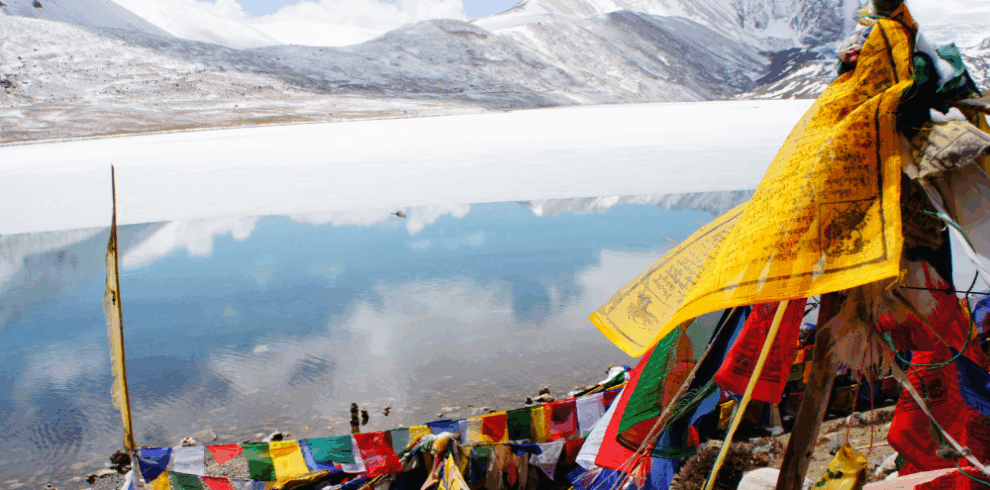
For example, a trip to Bhutan or Ladakh can show students how closely connected human life is to nature. It teaches sustainable living and mindfulness, which are increasingly crucial in today’s world.
Bridging Academic Streams
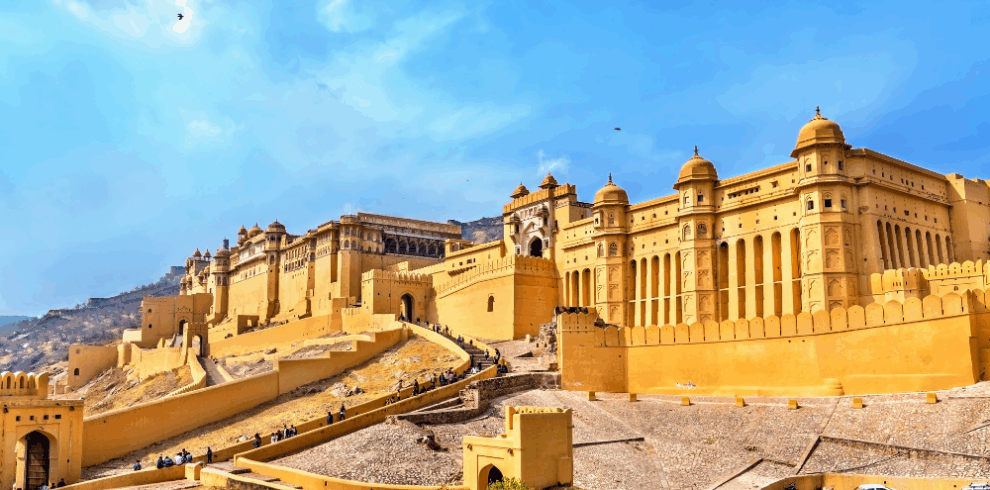
One of the beautiful things about educational travel is its interdisciplinary nature. A visit to NASA, for instance, isn’t just about science—it also covers history, technology, engineering, innovation, and global collaboration. A tour of Mumbai’s film studios can teach students about art, culture, media, language, and even economics.
Such trips help students understand the interconnectedness of subjects. It breaks the silos between science, commerce, and humanities, and fosters a more holistic understanding of knowledge.
Inspiring Future Careers
Many students discover their future paths through educational travel. Witnessing real-world applications of classroom concepts can inspire students to pursue careers they hadn’t considered before. A biotechnology student visiting a pharmaceutical lab, or an aspiring artist exploring the caves of Ajanta and Ellora, might find a life-changing spark during such trips.
At Knowledge Navigators, we often hear students say, “I didn’t know I was interested in this until I saw it up close.” That single moment of inspiration can shape their entire future.
Building Lifelong Memories and Bonds
The friendships formed, the shared laughter, and the collective wonderment of exploring new places together leave lasting impressions. These trips strengthen student-teacher relationships, build peer camaraderie, and create memories that are often cherished for a lifetime.
Such emotional connections to learning also help students retain knowledge better. They don’t just remember what they learned—they remember how they felt while learning it.
Safety, Planning & Purpose
Of course, educational travel must be carefully curated. At Knowledge Navigators, every trip is designed with a clear learning objective, thorough safety protocols, and age-appropriate activities. We work closely with educators to align trips with curriculum goals, ensuring the travel experience is not just fun, but educationally enriching.
Our destinations include a diverse range—from historic forts of Rajasthan and wildlife sanctuaries in Gujarat, to tech hubs in Bangalore and space centers in the USA. Whether it’s a short domestic tour or an international exposure trip, our focus is always on delivering value-packed, learning-rich journeys.
Conclusion: The World is the Greatest Classroom
The saying “Not all classrooms have four walls” rings especially true today. As the world grows more interconnected, the ability to learn from real-life experiences becomes an essential part of holistic education. Travel adds depth, color, and context to what students learn in books.
At Knowledge Navigators, we’re committed to transforming the way students learn—one destination at a time. Because when students explore the world, they don’t just collect souvenirs—they collect knowledge, wisdom, and a broader perspective on life.